
Balance & Proprioception
Balance and “heavy work” activities—like climbing, pushing, pulling, jumping, or balancing—give the brain strong information from the body. When emotions feel overwhelming, this physical input can help the nervous system organize all that incoming information and settle into a more manageable state. That can make it easier for kids to think clearly, focus, and work through what they’re feeling.
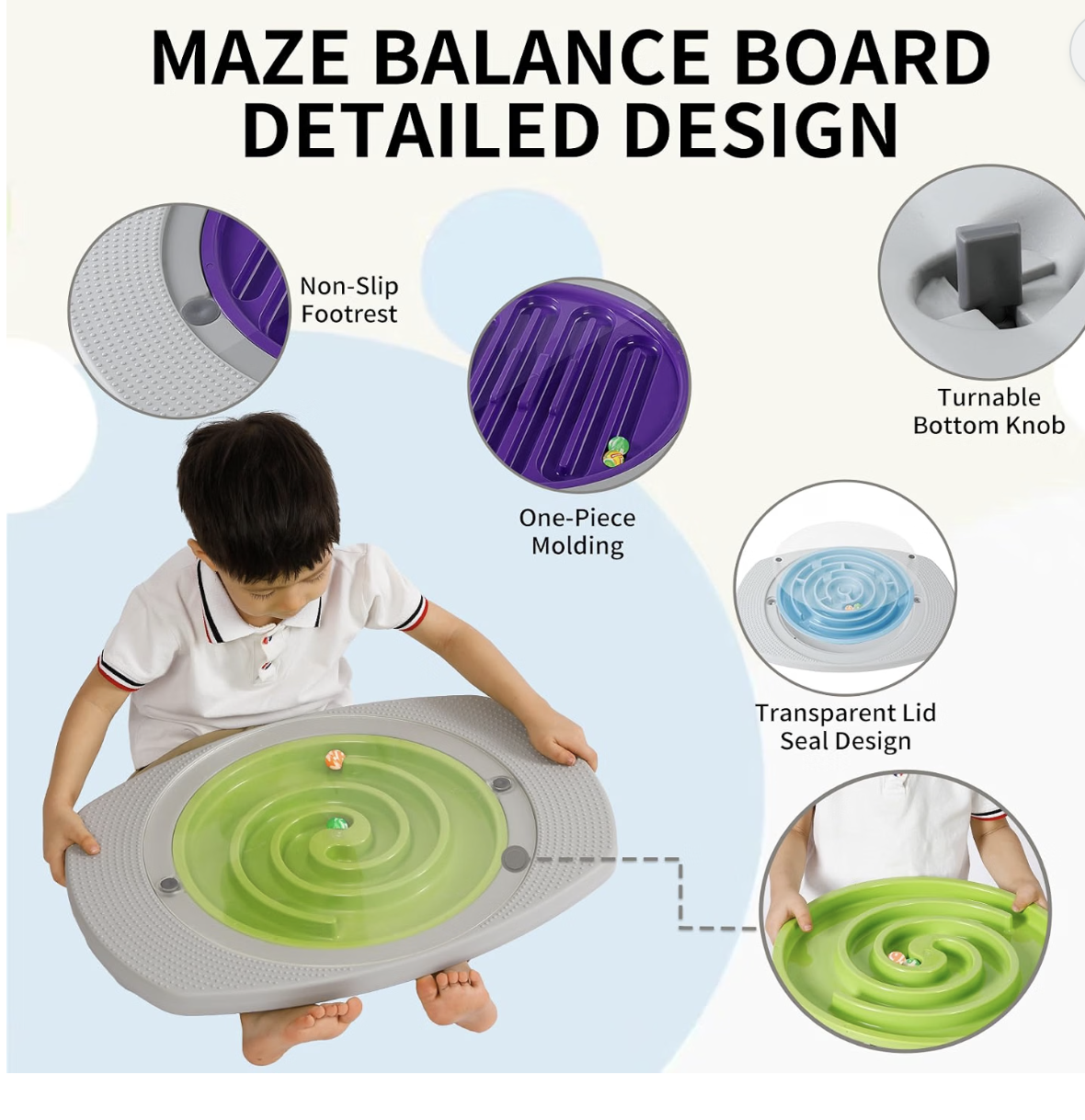
Balance Board Maze
Why we like it: This combines balance, body awareness, and focus in a way that feels like play rather than an exercise. Kids use their whole body to move the balls through interchangeable mazes, adding a problem-solving challenge while they get vestibular and proprioceptive input. The three maze levels also give it a little more staying power than a basic wobble board.
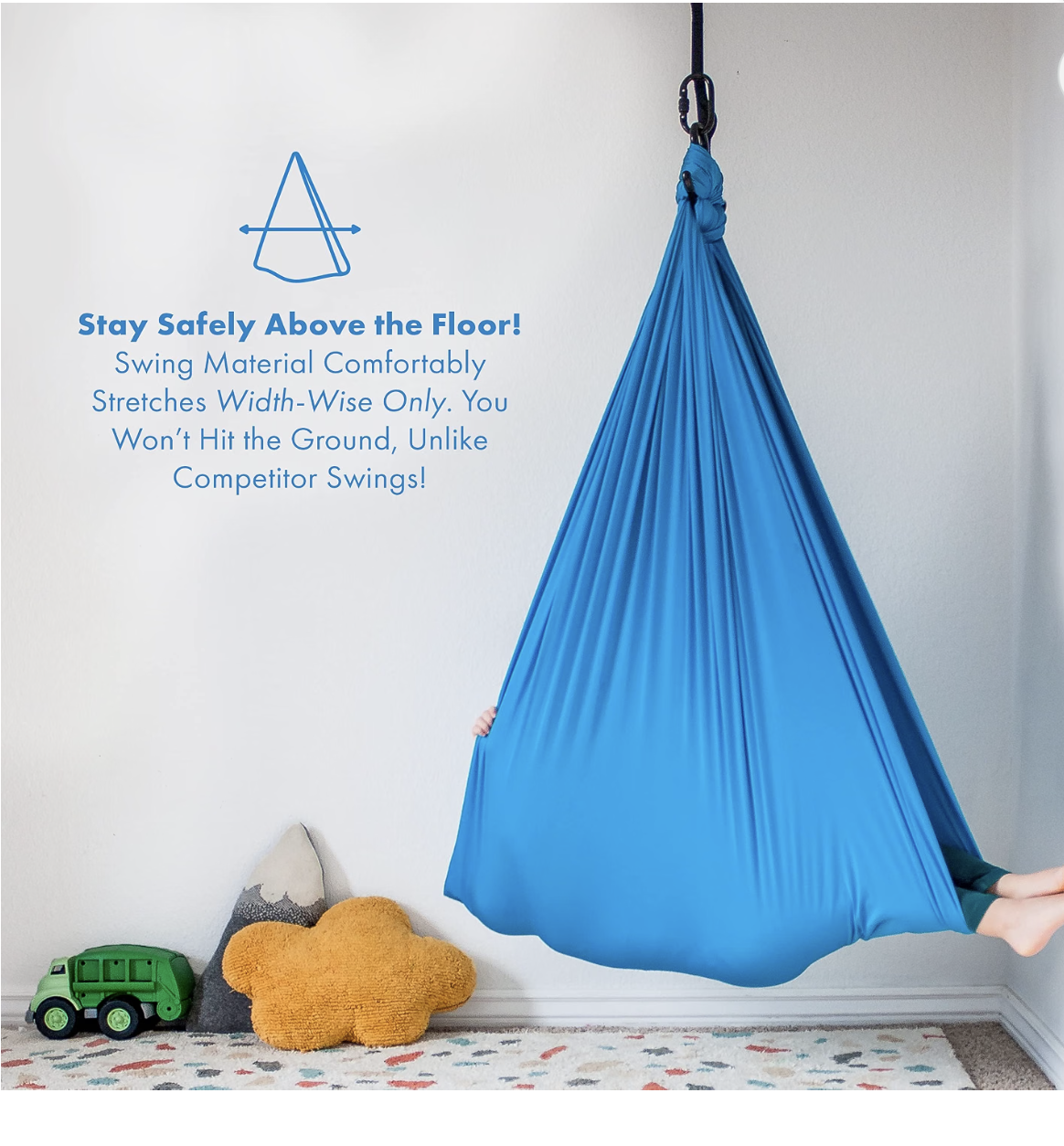
Harkla Sensory Swing
Why we like it: This is a great option for kids who seek movement, pressure, or a cozy place to reset. The stretchy fabric wraps around the body while swinging provides vestibular input, giving the brain both movement and strong body-based sensory information.
We especially like that kids can use it in different ways depending on what their nervous system needs—active movement when they need to get energy out or gentle swinging and compression when they need to settle. This one seems to have had more extensive safety testing than others.
Self-Soothing & Regulation Tools
Self-soothing tools give a simple physical outlet when emotions feel big. Sensory input can help anchor attention in the body, release some restless energy, and make overwhelming feelings feel more manageable. Over time, having a few familiar tools can also help you learn to recognize what your body needs and take an active role in regulating yourself.
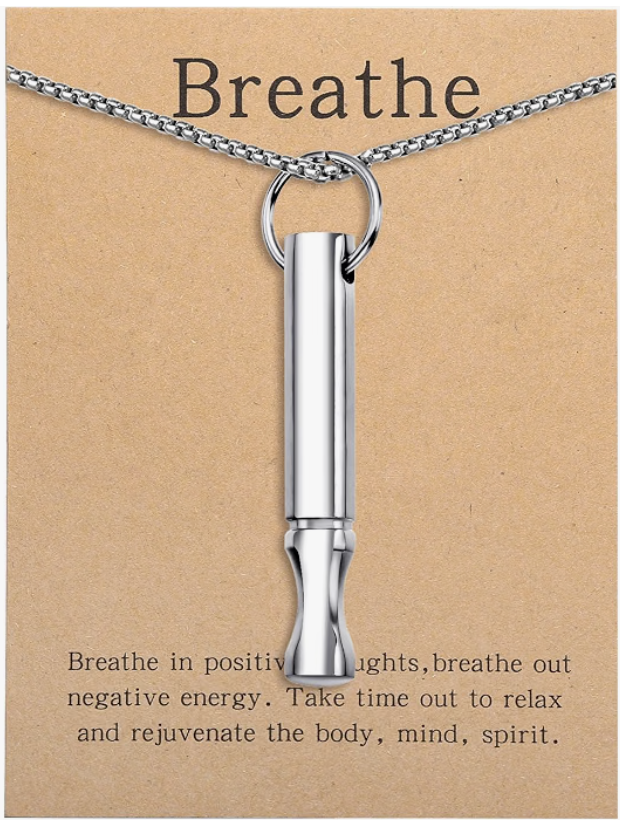
Mindfulness Breathing Necklace
Why we like it: A simple, discreet, and completely silent regulation tool that can go anywhere. Kids and teens can breathe slowly through the pendant to naturally encourage a longer, more controlled exhale—without needing an app, instructions, or anyone around them to know they’re using a coping skill.