
Games
Games give kids a low-stakes place to practice skills that are much harder when emotions are high. Waiting for a turn, losing, changing strategies, reading another person, handling disappointment, and trying again all build frustration tolerance, flexibility, social awareness, and problem-solving. Because it happens through play, kids get repeated practice navigating small challenges while staying connected and having fun.
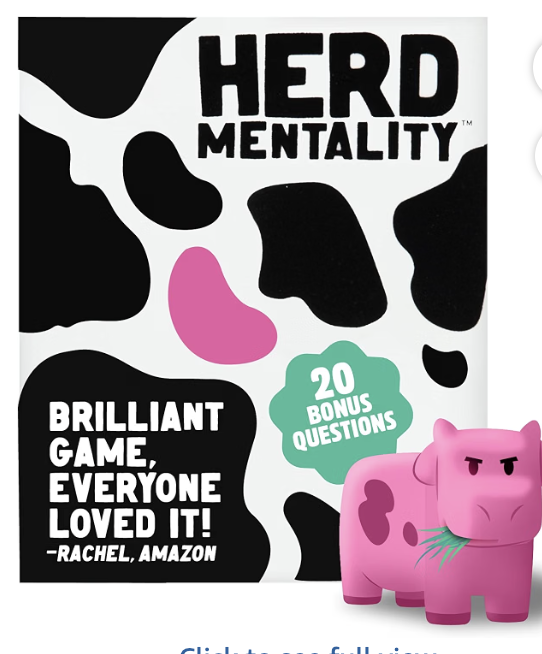
Herd Mentality
Best for: Social curiosity, perspective-taking, flexible thinking, and handling the occasional frustration of being the odd one out.
Why we like it: Instead of finding the “right” answer, players try to predict what everyone else is thinking. That makes it a fun, low-pressure way to practice noticing other people’s perspectives and thinking beyond your own first response. And when your answer doesn’t match the group? That’s a built-in opportunity to practice flexibility, laugh at differences, and tolerate a little disappointment. It’s quick to learn, designed for ages 10+, and works especially well with groups.
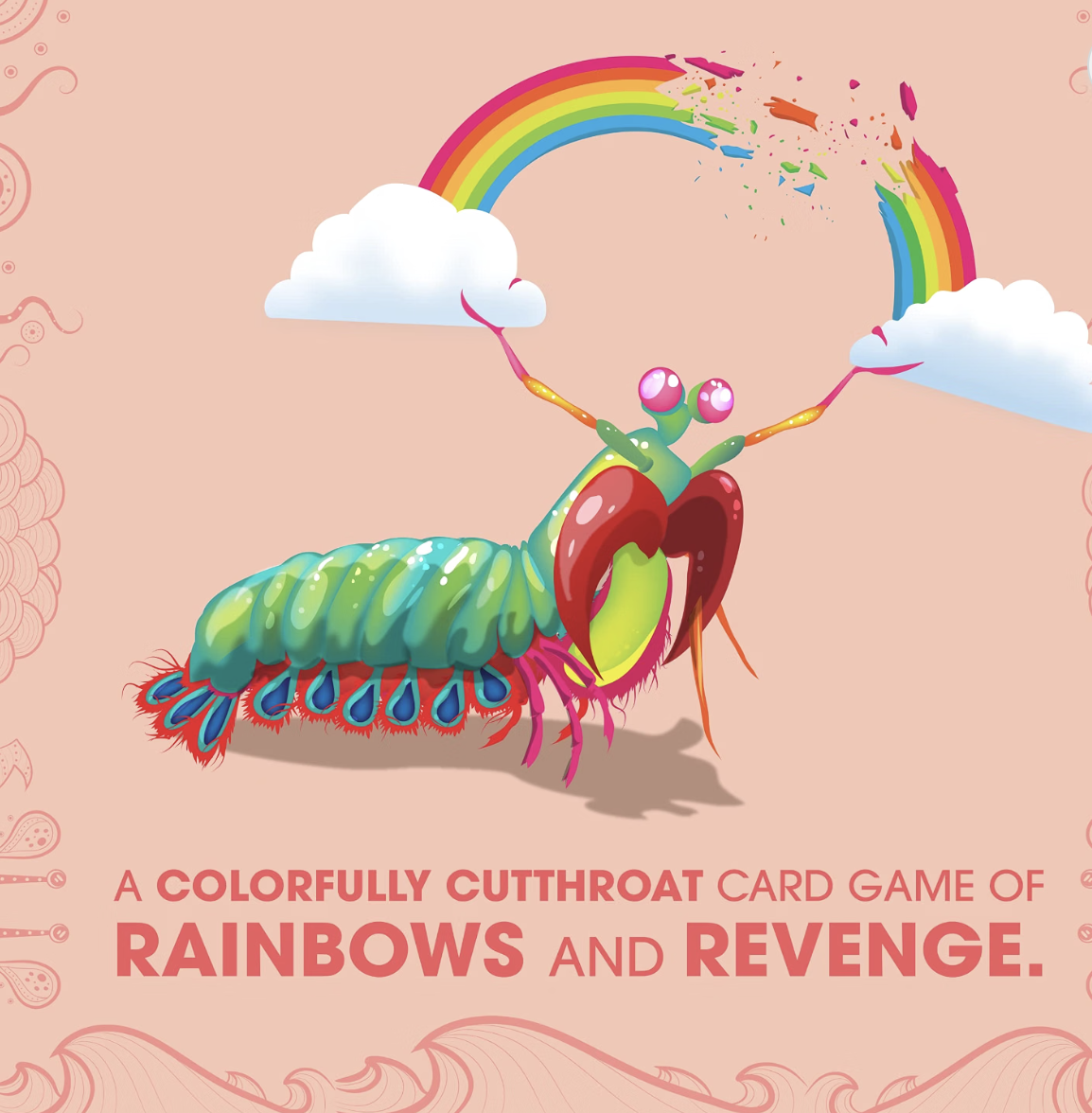
Mantis
Best for: Frustration tolerance, flexible thinking, decision-making, and good-natured competition.
Why we like it: Mantis is fast and intentionally unpredictable. Players repeatedly decide whether to play it safe and score their cards or take a risk and try to steal from someone else—and another player may steal them back.
That emotional roller coaster is exactly why we like it: kids get lots of quick, low-stakes practice with losing something they wanted, recovering from disappointment, taking calculated risks, changing strategies, and staying in the game when things don’t go their way. It’s also quick—about 10 minutes
Westhampton tip: Resist the urge to soften every loss. The “Ugh! You got me!” → recover → keep playing part is where some of the best practice happens.