
Parent Skill building
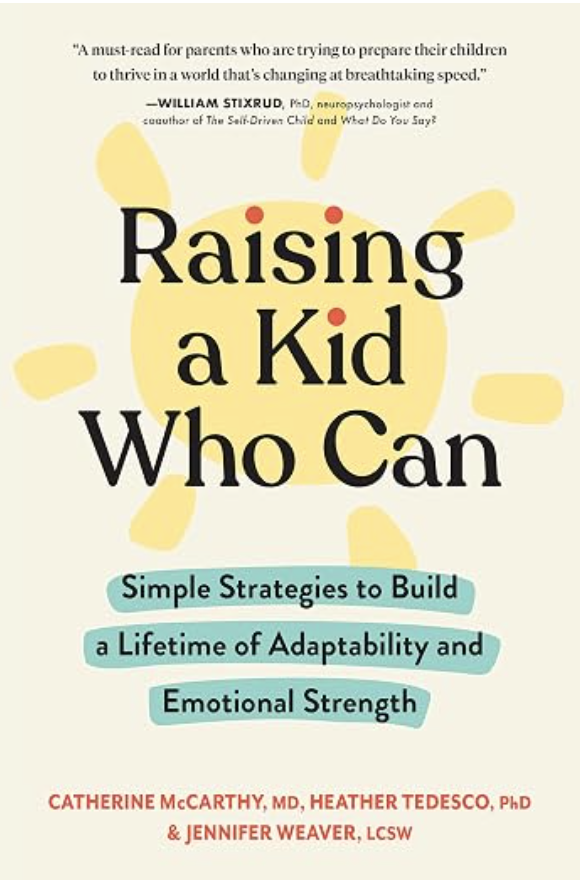
Raising a Kid Who Can
By Catherine McCarthy, MD, Heather Tedesco, PhD & Jennifer Weaver, LCSW
Best for: Any parent who wants to raise a confident, resilient child while reducing anxiety and everyday family struggles.
Why we recommend it: This practical, science-based guide focuses on the skills that help children thrive—from resilience and emotional regulation to flexibility and independence. Rather than offering quick fixes, it gives parents simple strategies they can use in everyday moments.
Why it’s special to us: Dr. Cathy McCarthy, Jennifer Weaver, & Heather Tedesco are trusted colleagues to both Lauren and Bentley from our years practicing in Northern Virginia. Their work has had a meaningful influence on our clinical approach, making this one of our most frequently recommended parenting resources.
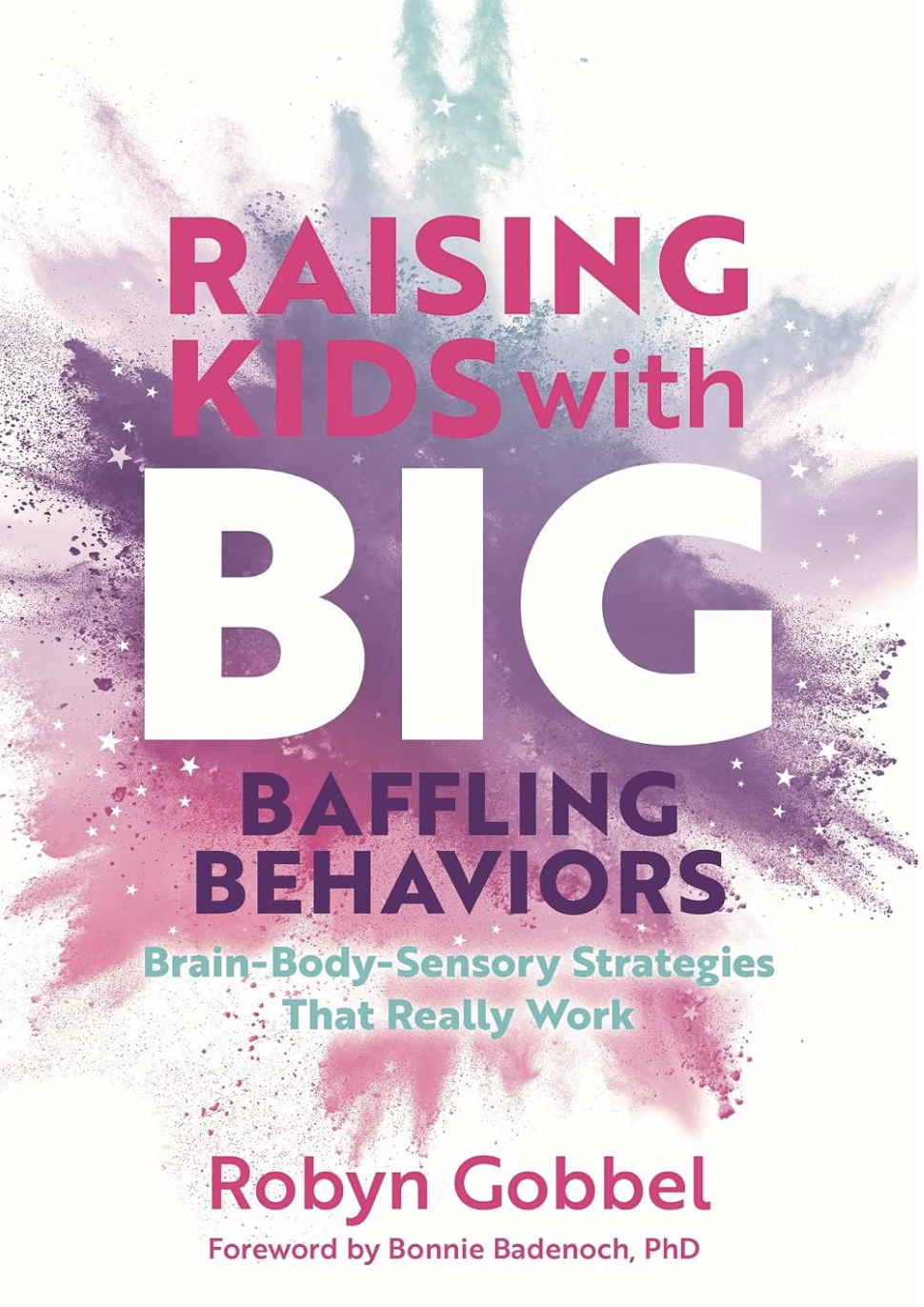
Raising Kids with Big, Baffling Behaviors
By Robyn Gobbel, LCSW
Best for: Parents of children who have frequent meltdowns, shutdowns, sensory sensitivities, emotional outbursts, or behaviors that seem confusing or unpredictable.
Why we recommend it: Robyn Gobbel explains challenging behavior through the lens of the nervous system, helping parents understand why behaviors happen before deciding how to respond. Her practical brain-body-sensory strategies help families move from managing behavior to building regulation, connection, and resilience.
A personal note: This book is especially meaningful to us because our friend and respected colleague, Holly Timberlake of Connected Therapy RVA, served as one of the editors. We frequently recommend Robyn’s work to families looking for a compassionate, neuroscience-informed approach to understanding their child.
Journaling & Self Discovery
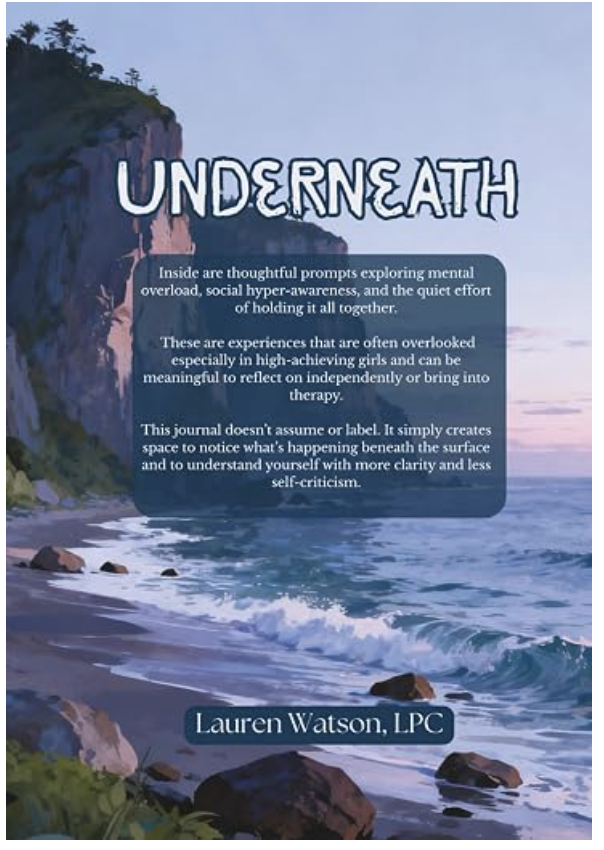
Underneath
By Lauren Watson, LPC
Best for: High-achieving young men and women who look like they’re holding it all together on the outside but struggle with overthinking, self-doubt, anxiety, or perfectionism beneath the surface.
Why we recommend it: Written by Westhampton’s co-founder, Lauren Watson, this guided reflection journal helps readers slow down, recognize unhelpful thought patterns, and reconnect with themselves through thoughtful prompts and practical exercises. It’s designed to foster self-awareness, self-compassion, and lasting personal growth.
A note from Lauren: I created this journal after years of working with high-achieving women who were incredibly capable but quietly exhausted by perfectionism and overthinking. My hope is that these reflections help you better understand yourself with curiosity rather than criticism.
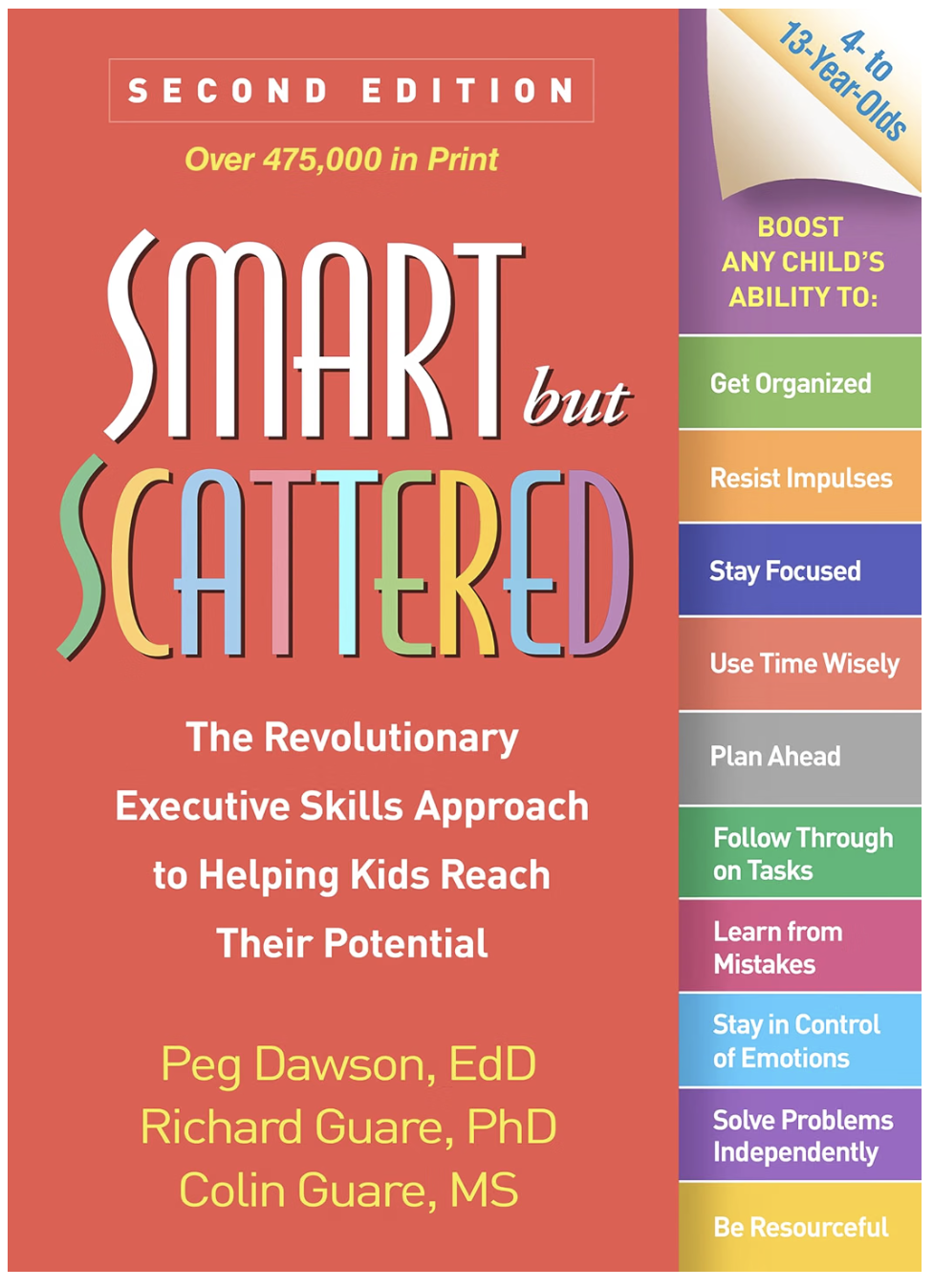
Smart but Scattered
By Peg Dawson, EdD & Richard Guare, PhD
Best for: Parents of bright, capable kids who struggle with executive functioning—things like getting started, staying organized, remembering what they need, managing time, handling frustration, or following through.
Why we recommend it: This book helps parents identify the specific executive skills getting in a child’s way rather than assuming they’re lazy, unmotivated, or simply “not trying.” It offers practical strategies for changing the environment, breaking demands into manageable steps, and building skills gradually.
Why we like it: It shifts the question from “How do I make my child do this?” to “What skill does this task require, and how can I support that skill while they’re developing it?” That distinction can dramatically reduce friction at home while still moving kids toward greater independence.
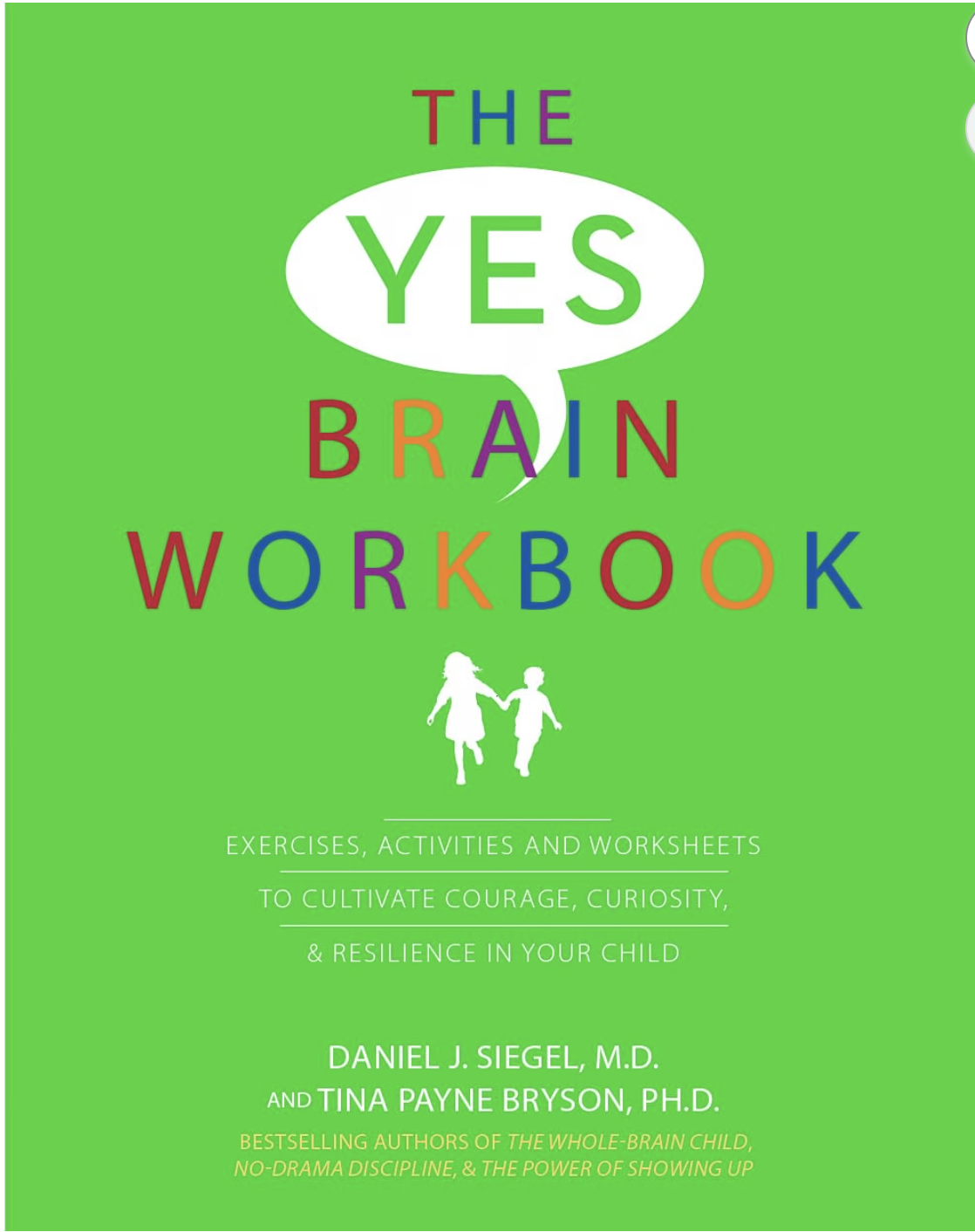
The Yes Brain Workbook
By Daniel J. Siegel, MD & Tina Payne Bryson, PhD
Best for: Parents who want practical ways to help their children become more flexible, resilient, emotionally regulated, and willing to approach challenges—even when something feels uncomfortable or unfamiliar.
Why we recommend it: This interactive companion to The Yes Brain turns the authors’ concepts into activities, worksheets, and reflections families can actually use. It focuses on four core capacities—balance, resilience, insight, and empathy—and helps parents recognize when a child needs support and safety versus a gentle push outside their comfort zone.
Why we like it: It strikes a balance we care a lot about: connection without rescuing, and challenge without overwhelming. Rather than trying to eliminate discomfort, it gives parents concrete ways to help children feel supported while building confidence that they can handle hard things. That makes it an especially nice companion to the resilience and distress-tolerance work we do with families.
Understanding Diagnosis
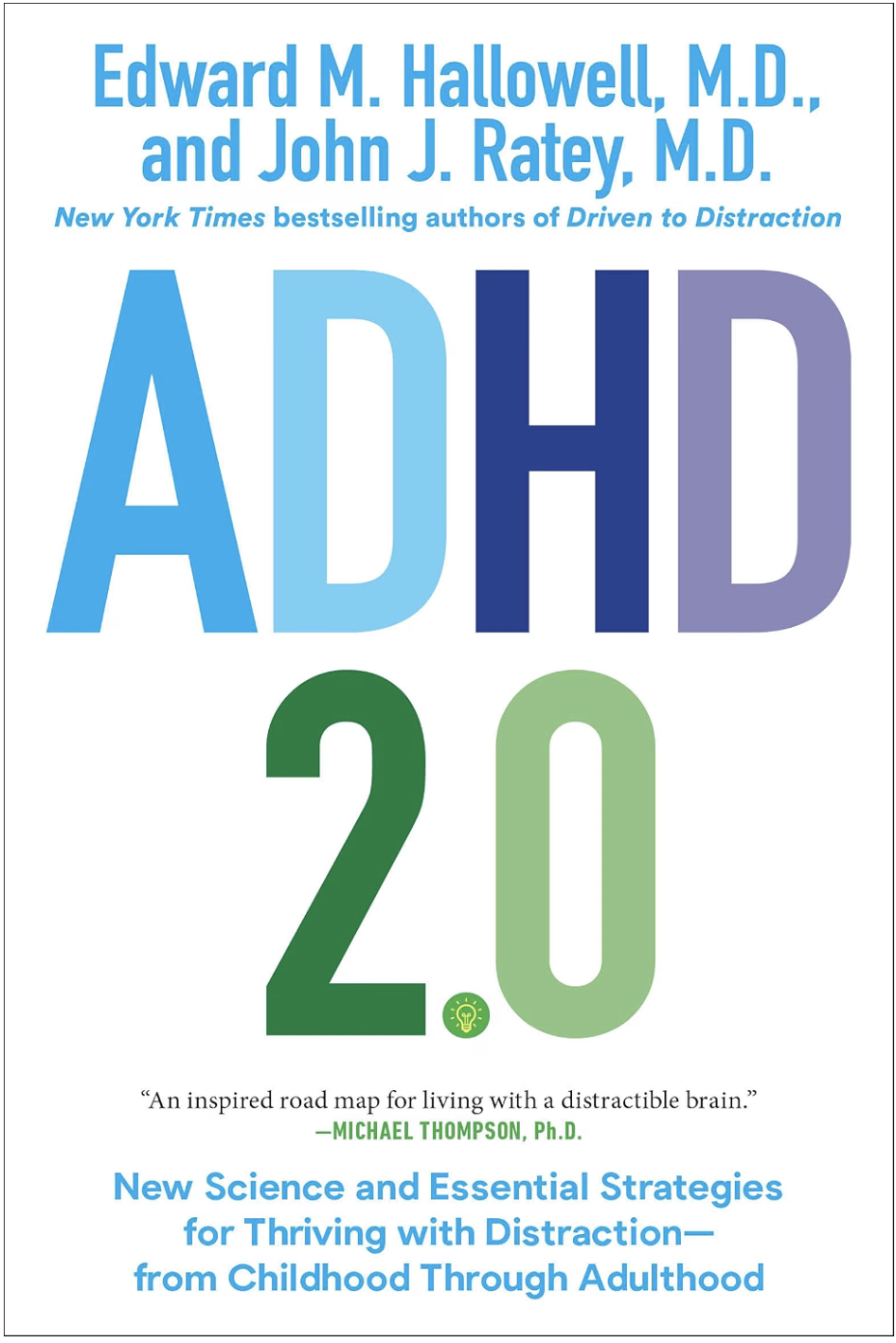
ADHD 2.0
By Edward M. Hallowell, MD & John J. Ratey, MD
Best for: Adults with ADHD, parents of kids with ADHD, and partners or family members who want to better understand how the ADHD brain actually works.
Why we recommend it: A strengths-based, accessible look at ADHD that moves beyond simply thinking about attention and impulsivity. Hallowell and Ratey explore the role of connection, environment, movement, structure, and the brain’s reward system—and offer practical ways to work with an ADHD brain rather than constantly fighting against it.
Why we like it: It helps reframe ADHD from “Why can’t you just do this?” to “What does this brain need in order to do this?”—a perspective that closely aligns with how we approach ADHD at Westhampton.
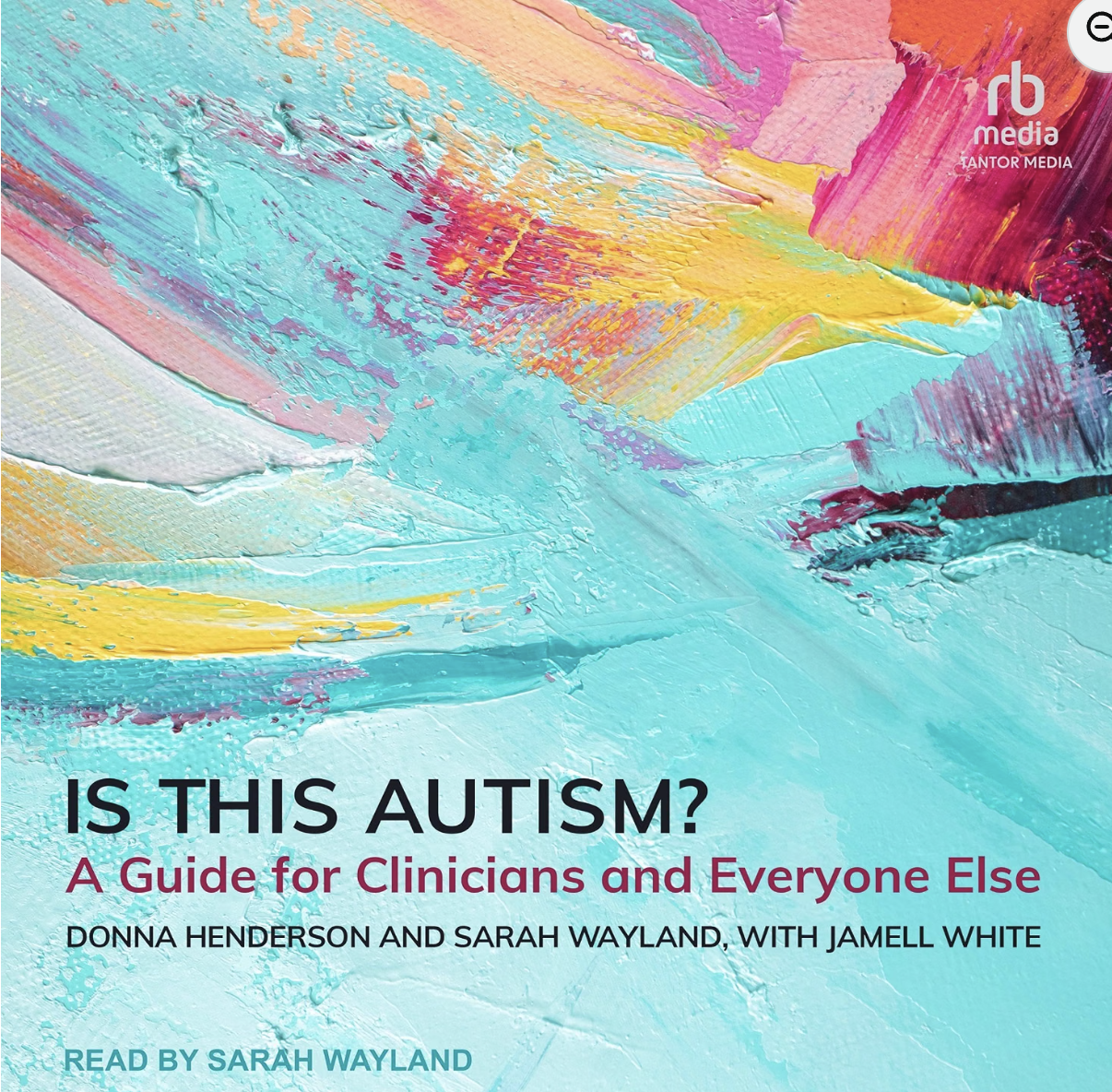
Is This Autism?
By Donna Henderson, PsyD, Sarah Wayland, PhD & Jamell White, PhD, LCSW-C
Best for: Parents, adults, and professionals trying to understand autism that may not look like the traditional stereotype—especially in girls, high-achieving kids, and people who mask well.
Why we recommend it: A thoughtful, highly accessible guide to recognizing the many ways autism can present. It helps readers look beyond obvious behaviors to understand the internal experience, including masking, sensory differences, social processing, and the often-missed presentations of autism.
A personal note: Donna Henderson is a trusted colleague whom Lauren and Bentley have both worked with in a testing and assessment capacity during their years practicing in Northern Virginia. We especially value her nuanced, neurodiversity-affirming approach to identifying autism in individuals whose differences can easily be overlooked.
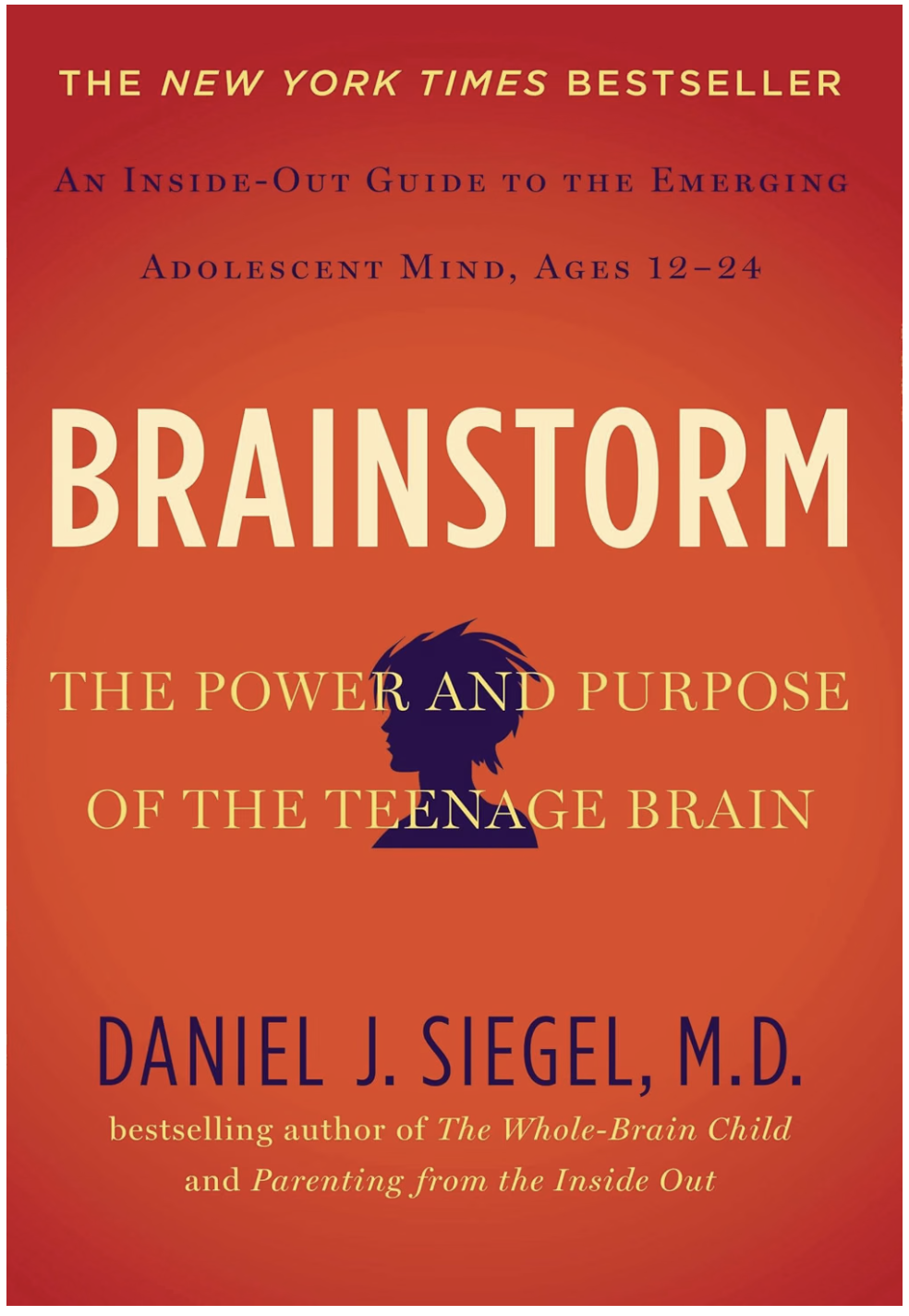
Brainstorm
By Daniel J. Siegel, MD
Best for: Parents of tweens, teens, and young adults who want to better understand what is actually happening in the adolescent brain—and why adolescence can come with such intensity, risk-taking, big emotions, and a strong drive for independence.
Why we recommend it: Siegel reframes adolescence as an important period of brain development rather than something families simply need to survive. It helps parents understand the purpose behind teens’ increased emotional intensity, novelty-seeking, social focus, and push for autonomy—and how to stay connected while allowing healthy independence to develop.
Why we like it: It gives parents a useful shift from “Why is she acting like this?” to “What is her brain trying to accomplish developmentally right now?” It fits especially well with our approach of helping parents stay connected without over-managing the struggle.